" width="24.84921383404711px"><path d="M 0 6.687 C 0 2.994 2.994 0 6.687 0 C 10.38 0 13.374 2.994 13.374 6.687 C 13.374 10.38 10.38 13.374 6.687 13.374 C 2.994 13.374 0 10.38 0 6.687 Z" fill="transparent" height="13.374375782687338px" id="e5ml6WSPl" stroke-dasharray="" stroke-linecap="butt" stroke-linejoin="miter" stroke-miterlimit="10" stroke-width="3.71" stroke="rgba(58, 158, 163, 0.2)" transform="translate(5.408 6.524)" width="13.374375782687338px"/><path d="M 12.425 0 C 19.218 0 24.849 5.751 24.849 13 C 24.849 20.249 19.218 26 12.425 26 C 5.631 26 0 20.249 0 13 C 0 5.751 5.631 0 12.425 0 Z" fill="transparent" height="26px" id="c_NiZ9KQf" stroke-dasharray="" stroke-linecap="butt" stroke-linejoin="miter" stroke-miterlimit="10" stroke-width="3.71" stroke="rgba(58, 158, 163, 0.2)" width="24.84921383404711px"/></g></svg>)
Breaking News
Chelsea Co. launches Insights & Imagination, a five-year drinks research programme


Insights & Imagination
As Chelsea Co. turns five, we are looking ahead to the next five years. To mark the moment, we are launching Insights & Imagination, a new annual research programme tracking how drinks consumers discover, choose and connect with brands.
We’re bringing together both sides of the conversation: the people buying drinks and the people building brands.
Consumer habits have shifted since the pandemic. We know this. Moderation has entered the mainstream. Non-alcoholic drinks have gained serious visibility. Younger consumers are behaving differently. Digital platforms are shaping discovery. AI is raising sharper questions around creativity, trust and transparency. Yes, yes, but alcohol is not disappearing. It is just changing shape.
Over the next five years, Chelsea Co. will combine consumer data with real-world observation from trade, retail, hospitality and digital culture. The aim is to help the industry respond with more evidence, more creativity and fewer assumptions.
Digital has always been central to Chelsea Co.’s work because it shows behaviour, not just intention. In the age of search, social discovery and generative AI, being findable is becoming part of being credible. If consumers, search engines and AI tools cannot find you, you are not mysterious. You are invisible.
We kicked off by asking 1,000 consumers what really drives drinks discovery today. The answer is not simply “digital”, however much the algorithm would like to take credit.
Insights & Imagination
As Chelsea Co. turns five, we are looking ahead to the next five years. To mark the moment, we are launching Insights & Imagination, a new annual research programme tracking how drinks consumers discover, choose and connect with brands.
We’re bringing together both sides of the conversation: the people buying drinks and the people building brands.
Consumer habits have shifted since the pandemic. We know this. Moderation has entered the mainstream. Non-alcoholic drinks have gained serious visibility. Younger consumers are behaving differently. Digital platforms are shaping discovery. AI is raising sharper questions around creativity, trust and transparency. Yes, yes, but alcohol is not disappearing. It is just changing shape.
Over the next five years, Chelsea Co. will combine consumer data with real-world observation from trade, retail, hospitality and digital culture. The aim is to help the industry respond with more evidence, more creativity and fewer assumptions.
Digital has always been central to Chelsea Co.’s work because it shows behaviour, not just intention. In the age of search, social discovery and generative AI, being findable is becoming part of being credible. If consumers, search engines and AI tools cannot find you, you are not mysterious. You are invisible.
We kicked off by asking 1,000 consumers what really drives drinks discovery today. The answer is not simply “digital”, however much the algorithm would like to take credit.
Insights & Imagination
As Chelsea Co. turns five, we are looking ahead to the next five years. To mark the moment, we are launching Insights & Imagination, a new annual research programme tracking how drinks consumers discover, choose and connect with brands.
We’re bringing together both sides of the conversation: the people buying drinks and the people building brands.
Consumer habits have shifted since the pandemic. We know this. Moderation has entered the mainstream. Non-alcoholic drinks have gained serious visibility. Younger consumers are behaving differently. Digital platforms are shaping discovery. AI is raising sharper questions around creativity, trust and transparency. Yes, yes, but alcohol is not disappearing. It is just changing shape.
Over the next five years, Chelsea Co. will combine consumer data with real-world observation from trade, retail, hospitality and digital culture. The aim is to help the industry respond with more evidence, more creativity and fewer assumptions.
Digital has always been central to Chelsea Co.’s work because it shows behaviour, not just intention. In the age of search, social discovery and generative AI, being findable is becoming part of being credible. If consumers, search engines and AI tools cannot find you, you are not mysterious. You are invisible.
We kicked off by asking 1,000 consumers what really drives drinks discovery today. The answer is not simply “digital”, however much the algorithm would like to take credit.
The shelf, the friend & the feed
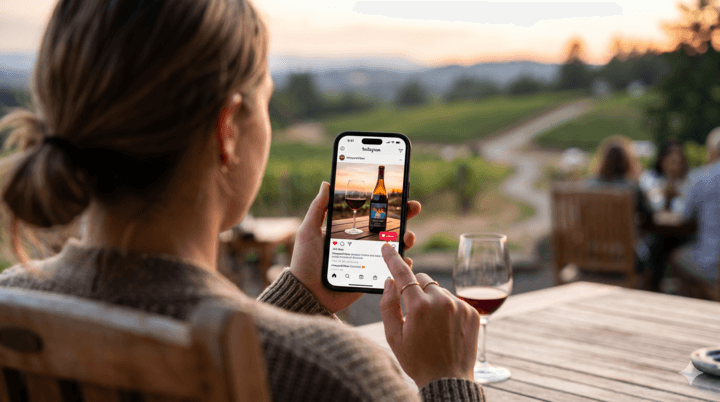
Discovery does not live in one place. Chelsea Co.’s research shows that 46% of consumers are most heavily influenced by digital channels including Instagram, TikTok, YouTube and other online formats. But the old drivers have not disappeared. 43% still discover alcoholic drinks in-store, while 42% discover them through friends and family.
The feed matters, but so do the bar, the shelf and the friend who says, “Try this.” Too many drinks businesses still treat digital, retail and real-world experience as separate activities. They are not. Discovery now moves between all three.
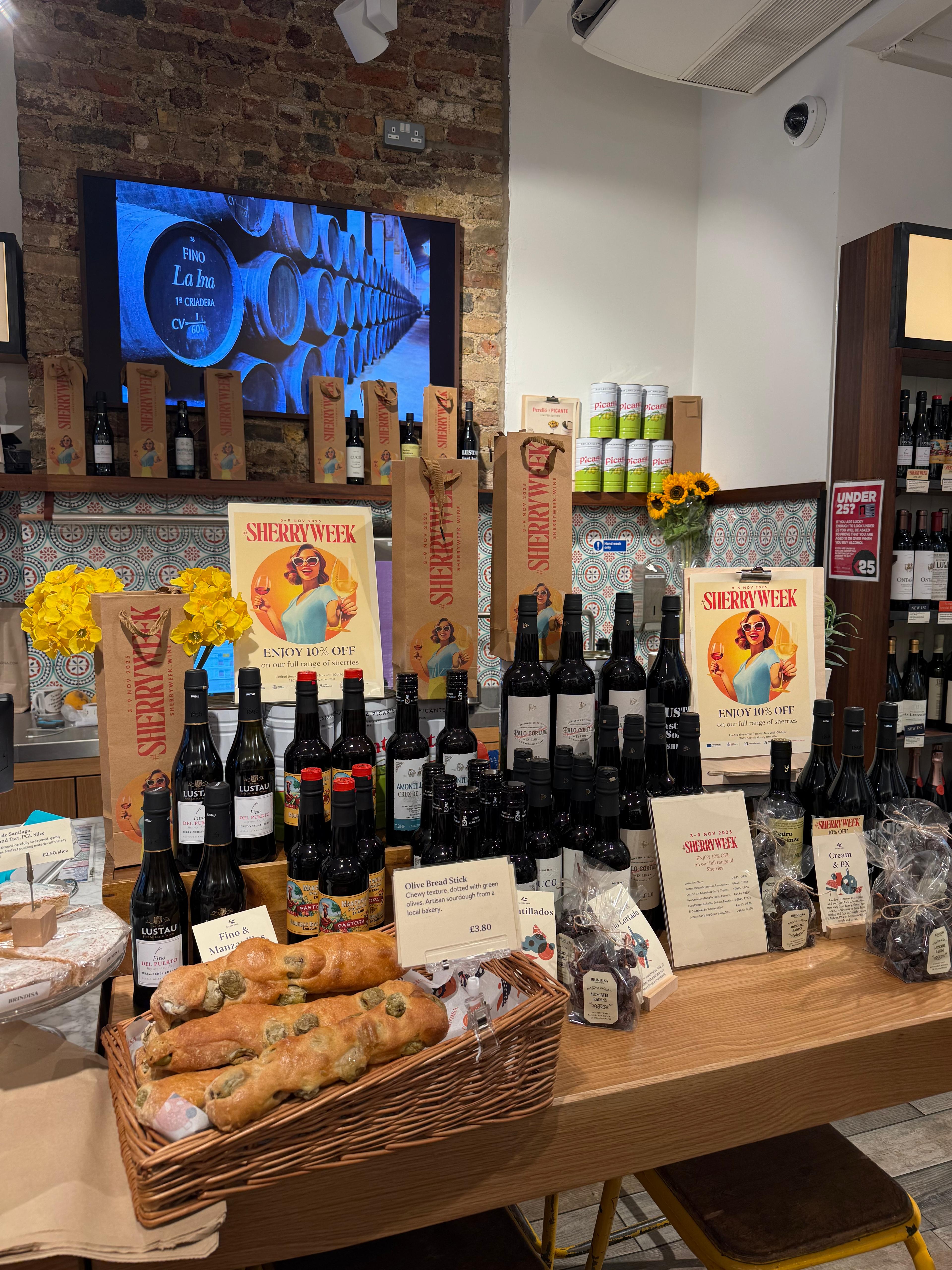
In-store remains a key part of that journey. Packaging, design and shelf presence continue to influence choice. The shelf is not dead. It is part of the media mix.
The shelf, the friend & the feed
Discovery does not live in one place. Chelsea Co.’s research shows that 46% of consumers are most heavily influenced by digital channels including Instagram, TikTok, YouTube and other online formats. But the old drivers have not disappeared. 43% still discover alcoholic drinks in-store, while 42% discover them through friends and family.
The feed matters, but so do the bar, the shelf and the friend who says, “Try this.” Too many drinks businesses still treat digital, retail and real-world experience as separate activities. They are not. Discovery now moves between all three.
In-store remains a key part of that journey. Packaging, design and shelf presence continue to influence choice. The shelf is not dead. It is part of the media mix.
The shelf, the friend & the feed
Discovery does not live in one place. Chelsea Co.’s research shows that 46% of consumers are most heavily influenced by digital channels including Instagram, TikTok, YouTube and other online formats. But the old drivers have not disappeared. 43% still discover alcoholic drinks in-store, while 42% discover them through friends and family.
The feed matters, but so do the bar, the shelf and the friend who says, “Try this.” Too many drinks businesses still treat digital, retail and real-world experience as separate activities. They are not. Discovery now moves between all three.
In-store remains a key part of that journey. Packaging, design and shelf presence continue to influence choice. The shelf is not dead. It is part of the media mix.
Young consumers haven’t disappeared
They have not vanished. They just changed the route and the map.
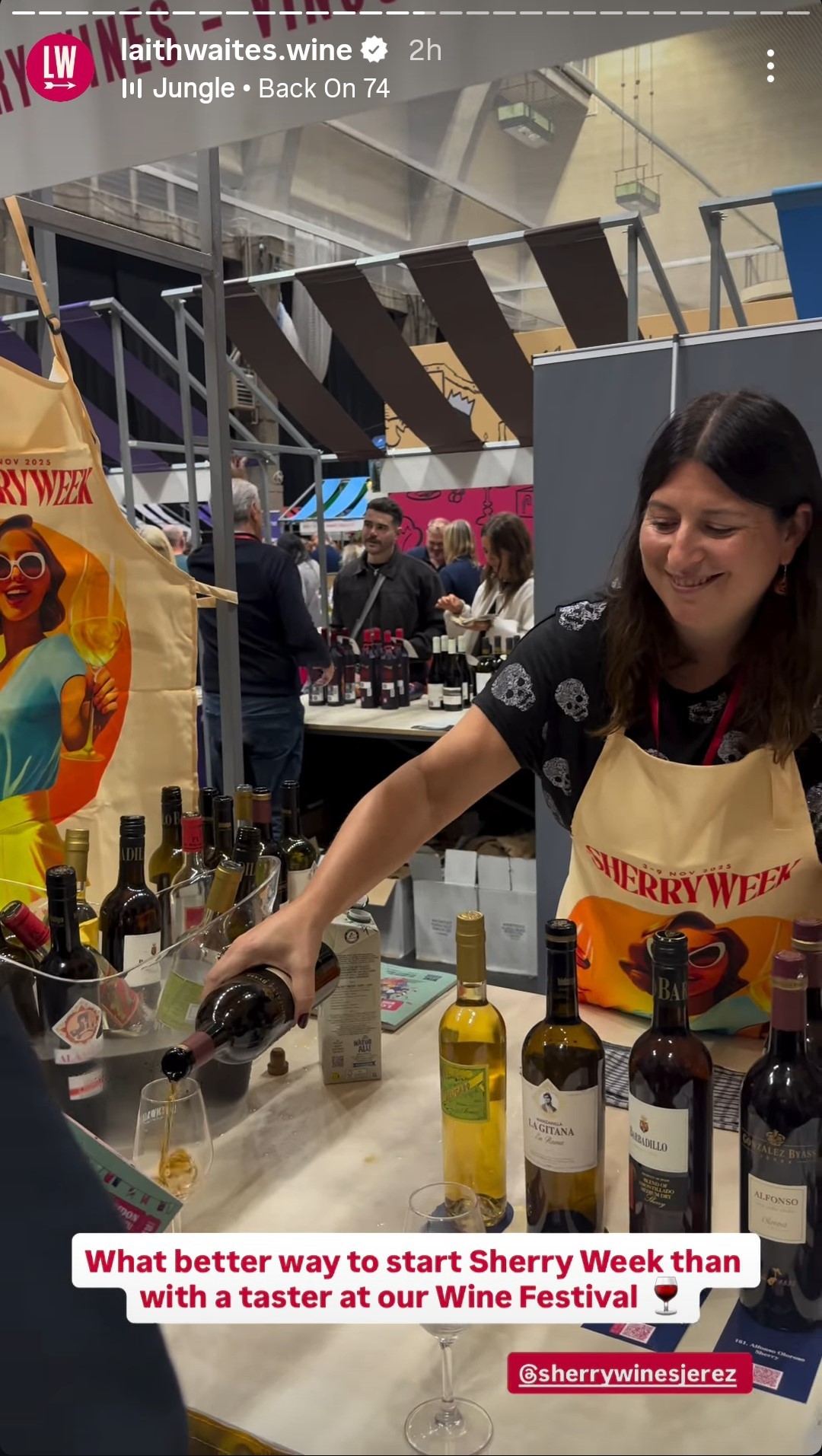
One of the most important findings is that younger consumers are not unreachable. They are just discovering drinks differently. 67% of 18–34-year-olds use social media or online platforms to discover new alcoholic drinks. That changes the question from “are young people drinking less?” to “are drinks brands showing up in the right places, in the right way?”
This audience is not waiting for another moody bottle shot, vague heritage claim or caption that could belong to every premium brand since 2014. With sustainability important to 45% and genuinely engaging content important to 54% of 18–34-year-olds, the opportunity is relevance, not noise.
Young consumers haven’t disappeared
They have not vanished. They just changed the route and the map.
One of the most important findings is that younger consumers are not unreachable. They are just discovering drinks differently. 67% of 18–34-year-olds use social media or online platforms to discover new alcoholic drinks. That changes the question from “are young people drinking less?” to “are drinks brands showing up in the right places, in the right way?”
This audience is not waiting for another moody bottle shot, vague heritage claim or caption that could belong to every premium brand since 2014. With sustainability important to 45% and genuinely engaging content important to 54% of 18–34-year-olds, the opportunity is relevance, not noise.
Young consumers haven’t disappeared
They have not vanished. They just changed the route and the map.
One of the most important findings is that younger consumers are not unreachable. They are just discovering drinks differently. 67% of 18–34-year-olds use social media or online platforms to discover new alcoholic drinks. That changes the question from “are young people drinking less?” to “are drinks brands showing up in the right places, in the right way?”
This audience is not waiting for another moody bottle shot, vague heritage claim or caption that could belong to every premium brand since 2014. With sustainability important to 45% and genuinely engaging content important to 54% of 18–34-year-olds, the opportunity is relevance, not noise.
Quality leads, but story helps
The liquid still has to earn it. A strong brand cannot compensate for a weak product. No amount of clever content can save a bad drink.
Across the research, quality remains the strongest driver of choice, with 38% of consumers naming it as their main decision-making factor. The challenge is how brands communicate that quality clearly. Brand story and design influence 27% of consumers, ahead of price at 24%.
So yes, price matters. But the cheapest bottle does not always win. We need storytelling.
For drinks brands, that distinction matters. Quality cannot stay trapped inside the liquid. It has to show up in the story, the design, the serve, the social presence, the shelf and the moments where consumers decide whether a brand feels worth choosing.
Quality leads, but story helps
The liquid still has to earn it. A strong brand cannot compensate for a weak product. No amount of clever content can save a bad drink.
Across the research, quality remains the strongest driver of choice, with 38% of consumers naming it as their main decision-making factor. The challenge is how brands communicate that quality clearly. Brand story and design influence 27% of consumers, ahead of price at 24%.
So yes, price matters. But the cheapest bottle does not always win. We need storytelling.
For drinks brands, that distinction matters. Quality cannot stay trapped inside the liquid. It has to show up in the story, the design, the serve, the social presence, the shelf and the moments where consumers decide whether a brand feels worth choosing.
Quality leads, but story helps
The liquid still has to earn it. A strong brand cannot compensate for a weak product. No amount of clever content can save a bad drink.
Across the research, quality remains the strongest driver of choice, with 38% of consumers naming it as their main decision-making factor. The challenge is how brands communicate that quality clearly. Brand story and design influence 27% of consumers, ahead of price at 24%.
So yes, price matters. But the cheapest bottle does not always win. We need storytelling.
For drinks brands, that distinction matters. Quality cannot stay trapped inside the liquid. It has to show up in the story, the design, the serve, the social presence, the shelf and the moments where consumers decide whether a brand feels worth choosing.
AI, trust and the human touch
Efficiency is not the same as credibility. AI is already changing how brands create, plan and produce content, but consumer attitudes are more complicated than the hype suggests. Chelsea Co.’s research found that 75% of over-55s dislike the use of AI in drinks marketing, while more than 80% of the public believe they can spot AI-generated content.
Younger consumers are more open, but not uncritical. 75% of 18–34-year-olds are comfortable with AI if brands are transparent, yet 60% still prefer campaigns and brands that feel like they have a human touch. Among over-65s, only 7% are comfortable with AI transparency as a trade-off.
That matters because AI is already changing the economics of creative work. Some brands will be tempted to pay less, produce faster, outsource the thinking and call it efficiency. That is where the trouble starts. Used badly, AI does not create better brand stories. It creates more beige at speed.
At Chelsea Co., we use AI and new creative tools to support the thinking, not replace it. They help us move faster, extend the life of existing assets, adapt content across channels and make budgets work harder when a full shoot or large-scale production is not possible. But the judgement still has to come from people. AI can sharpen, scale and stretch ideas. It cannot decide what a brand should stand for.
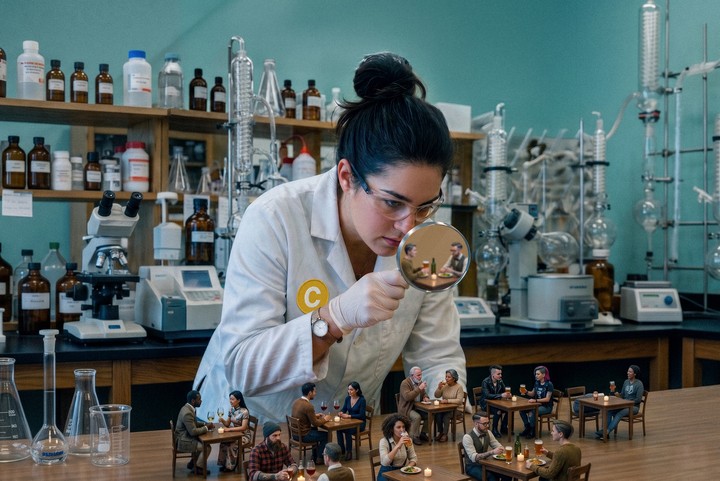
Can you tell which we created with AI?
AI, trust and the human touch
Efficiency is not the same as credibility. AI is already changing how brands create, plan and produce content, but consumer attitudes are more complicated than the hype suggests. Chelsea Co.’s research found that 75% of over-55s dislike the use of AI in drinks marketing, while more than 80% of the public believe they can spot AI-generated content.
Younger consumers are more open, but not uncritical. 75% of 18–34-year-olds are comfortable with AI if brands are transparent, yet 60% still prefer campaigns and brands that feel like they have a human touch. Among over-65s, only 7% are comfortable with AI transparency as a trade-off.
That matters because AI is already changing the economics of creative work. Some brands will be tempted to pay less, produce faster, outsource the thinking and call it efficiency. That is where the trouble starts. Used badly, AI does not create better brand stories. It creates more beige at speed.
At Chelsea Co., we use AI and new creative tools to support the thinking, not replace it. They help us move faster, extend the life of existing assets, adapt content across channels and make budgets work harder when a full shoot or large-scale production is not possible. But the judgement still has to come from people. AI can sharpen, scale and stretch ideas. It cannot decide what a brand should stand for.
Can you tell which we created with AI?
AI, trust and the human touch
Efficiency is not the same as credibility. AI is already changing how brands create, plan and produce content, but consumer attitudes are more complicated than the hype suggests. Chelsea Co.’s research found that 75% of over-55s dislike the use of AI in drinks marketing, while more than 80% of the public believe they can spot AI-generated content.
Younger consumers are more open, but not uncritical. 75% of 18–34-year-olds are comfortable with AI if brands are transparent, yet 60% still prefer campaigns and brands that feel like they have a human touch. Among over-65s, only 7% are comfortable with AI transparency as a trade-off.
That matters because AI is already changing the economics of creative work. Some brands will be tempted to pay less, produce faster, outsource the thinking and call it efficiency. That is where the trouble starts. Used badly, AI does not create better brand stories. It creates more beige at speed.
At Chelsea Co., we use AI and new creative tools to support the thinking, not replace it. They help us move faster, extend the life of existing assets, adapt content across channels and make budgets work harder when a full shoot or large-scale production is not possible. But the judgement still has to come from people. AI can sharpen, scale and stretch ideas. It cannot decide what a brand should stand for.
Can you tell which we created with AI?
Regional behaviour needs nuance
In some places, the bar is the algorithm. Consumer behaviour changes by place, which is why drinks marketing needs more nuance than a single national message. In Manchester, for example. 68% of consumers discover their alcoholic preferences in bars and restaurants, making the on-trade a powerful discovery engine. Meanwhile, in-store trialling is the preferred route for over half of consumers in Cardiff, Newcastle, Nottingham and Southampton.
A strategy that works in one city may not work in another. In some places, hospitality does the work of the algorithm. In others, the shelf or trial experience carries more weight. The bigger point is simple: discovery is shaped by context. Brands that understand local behaviour can show up with more precision, less waste and fewer one-size-fits-none campaigns.
Regional behaviour needs nuance
In some places, the bar is the algorithm. Consumer behaviour changes by place, which is why drinks marketing needs more nuance than a single national message. In Manchester, for example. 68% of consumers discover their alcoholic preferences in bars and restaurants, making the on-trade a powerful discovery engine. Meanwhile, in-store trialling is the preferred route for over half of consumers in Cardiff, Newcastle, Nottingham and Southampton.
A strategy that works in one city may not work in another. In some places, hospitality does the work of the algorithm. In others, the shelf or trial experience carries more weight. The bigger point is simple: discovery is shaped by context. Brands that understand local behaviour can show up with more precision, less waste and fewer one-size-fits-none campaigns.
Regional behaviour needs nuance
In some places, the bar is the algorithm. Consumer behaviour changes by place, which is why drinks marketing needs more nuance than a single national message. In Manchester, for example. 68% of consumers discover their alcoholic preferences in bars and restaurants, making the on-trade a powerful discovery engine. Meanwhile, in-store trialling is the preferred route for over half of consumers in Cardiff, Newcastle, Nottingham and Southampton.
A strategy that works in one city may not work in another. In some places, hospitality does the work of the algorithm. In others, the shelf or trial experience carries more weight. The bigger point is simple: discovery is shaped by context. Brands that understand local behaviour can show up with more precision, less waste and fewer one-size-fits-none campaigns.

Share this article
Related news
May 12, 2026
Discover how consumers really choose drinks brands in 2026
May 12, 2026
Discover how consumers really choose drinks brands in 2026
Apr 19, 2026
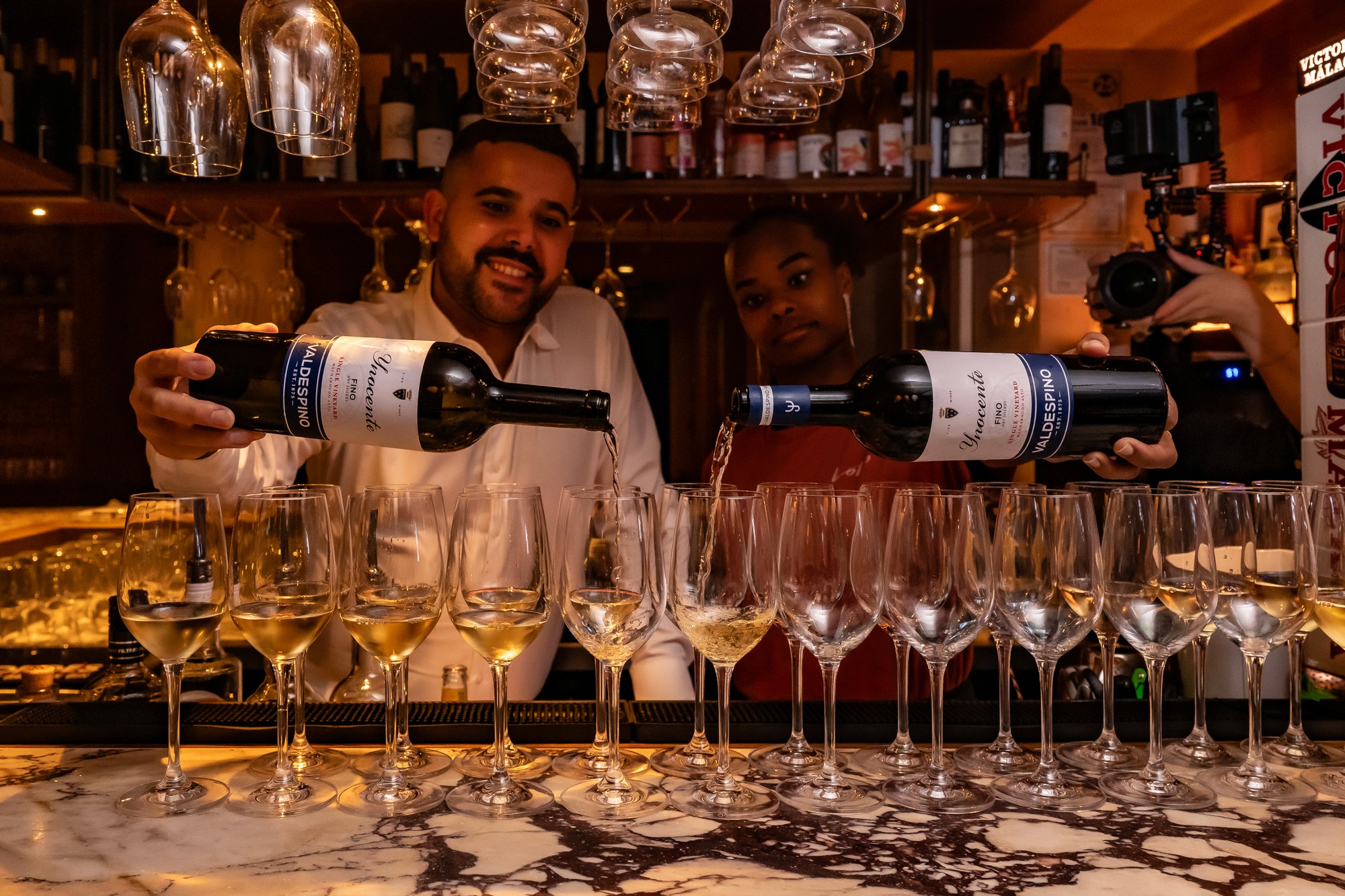
How Sherry got its groove back with 7.4% sales jump
Apr 19, 2026
How Sherry got its groove back with 7.4% sales jump
Jan 1, 2026
Beyond the likes: Debunking vanity metrics on instagram
Jan 1, 2026
Beyond the likes: Debunking vanity metrics on instagram