" width="24.84921383404711px"><path d="M 0 6.687 C 0 2.994 2.994 0 6.687 0 C 10.38 0 13.374 2.994 13.374 6.687 C 13.374 10.38 10.38 13.374 6.687 13.374 C 2.994 13.374 0 10.38 0 6.687 Z" fill="transparent" height="13.374375782687338px" id="e5ml6WSPl" stroke-dasharray="" stroke-linecap="butt" stroke-linejoin="miter" stroke-miterlimit="10" stroke-width="3.71" stroke="rgba(58, 158, 163, 0.2)" transform="translate(5.408 6.524)" width="13.374375782687338px"/><path d="M 12.425 0 C 19.218 0 24.849 5.751 24.849 13 C 24.849 20.249 19.218 26 12.425 26 C 5.631 26 0 20.249 0 13 C 0 5.751 5.631 0 12.425 0 Z" fill="transparent" height="26px" id="c_NiZ9KQf" stroke-dasharray="" stroke-linecap="butt" stroke-linejoin="miter" stroke-miterlimit="10" stroke-width="3.71" stroke="rgba(58, 158, 163, 0.2)" width="24.84921383404711px"/></g></svg>)
Founder Q&A
From Pop Stars to Sherry: Chelsea Anthon on five years of Chelsea Co.


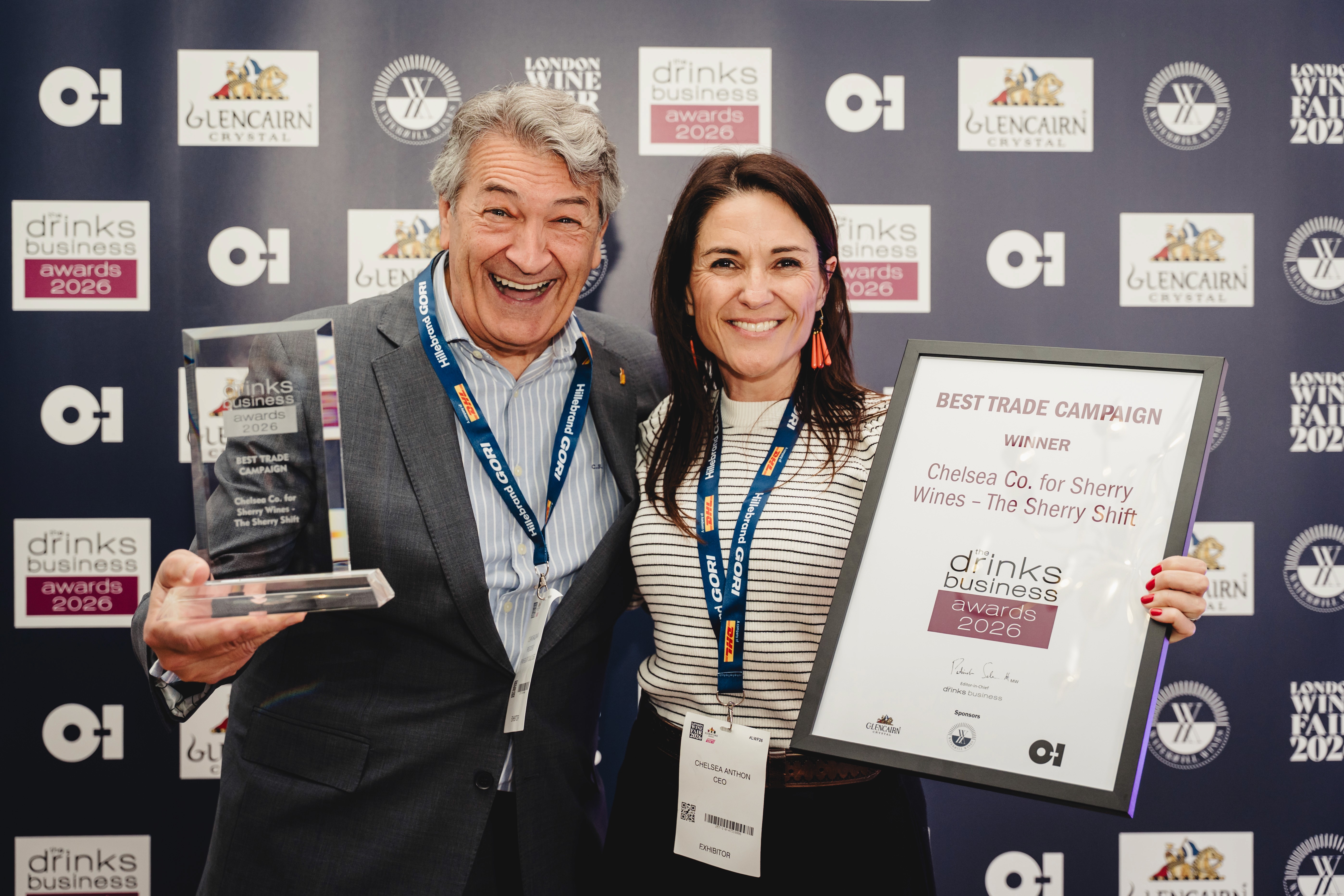
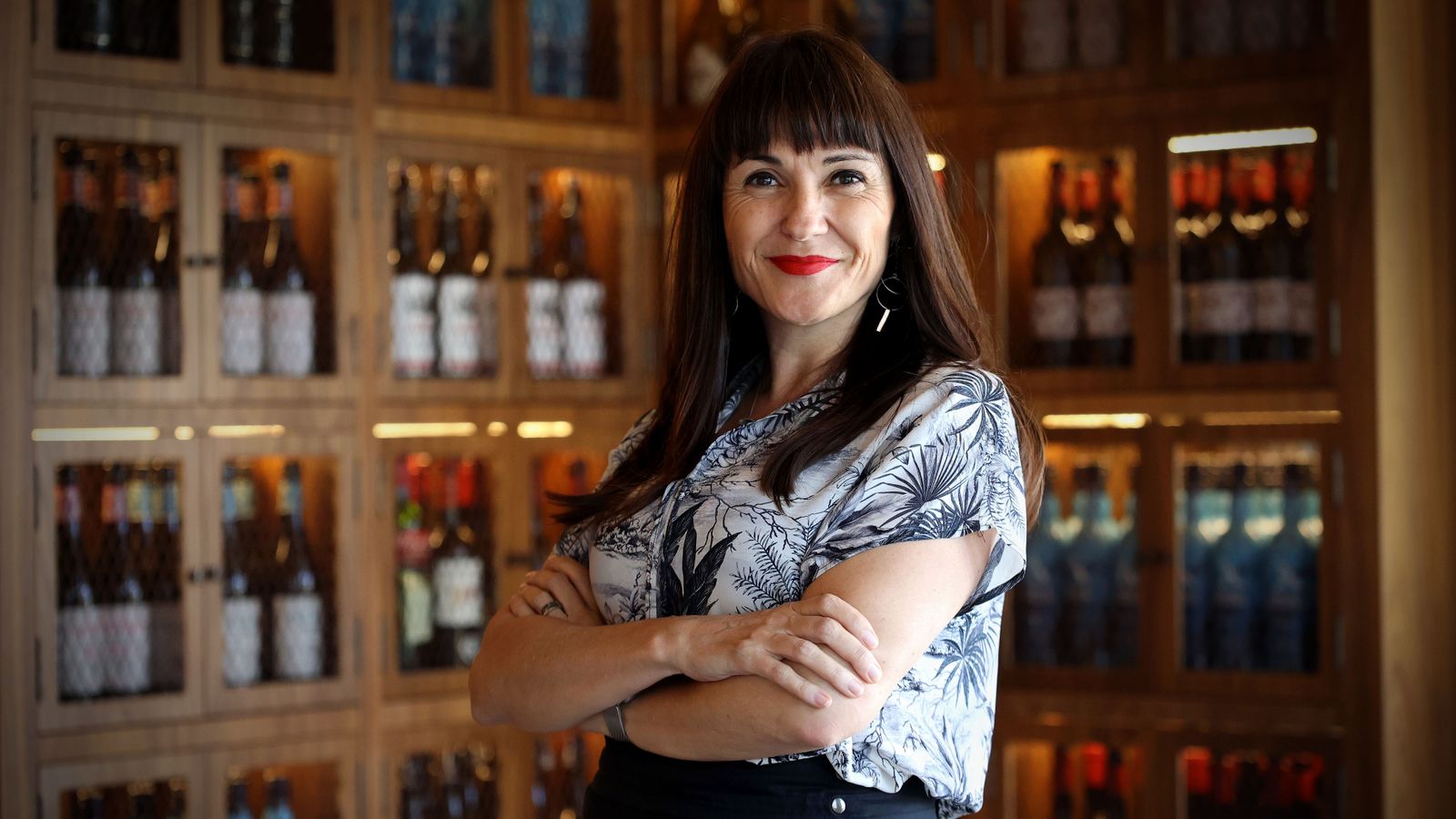
Chelsea Co turns five this May. To mark the milestone, founder Chelsea Anthon reflects on building an agency from scratch in Spain, breaking into wine with no wine background, and bringing a music-and-TV mindset to one of the world’s most traditional industries.
From high-pressure publicity moments with global pop stars to challenging how Sherry and spirits show up online, Chelsea’s path has never been especially linear. But that may be the point. As she sees it, tradition only matters if you know how to make it relevant now.
Five years. Five questions.
Chelsea Co turns five this May. To mark the milestone, founder Chelsea Anthon reflects on building an agency from scratch in Spain, breaking into wine with no wine background, and bringing a music-and-TV mindset to one of the world’s most traditional industries.
From high-pressure publicity moments with global pop stars to challenging how Sherry and spirits show up online, Chelsea’s path has never been especially linear. But that may be the point. As she sees it, tradition only matters if you know how to make it relevant now.
Five years. Five questions.
Chelsea Co turns five this May. To mark the milestone, founder Chelsea Anthon reflects on building an agency from scratch in Spain, breaking into wine with no wine background, and bringing a music-and-TV mindset to one of the world’s most traditional industries.
From high-pressure publicity moments with global pop stars to challenging how Sherry and spirits show up online, Chelsea’s path has never been especially linear. But that may be the point. As she sees it, tradition only matters if you know how to make it relevant now.
Five years. Five questions.
1. What does turning five mean to you?
It feels great! Five years is long enough to know you’ve actually built something real, but still early enough that you’re a bit restless about what’s next.
When I started Chelsea Co., I could see a clear gap: digital-first creative marketing just wasn’t where it needed to be in wine and spirits. The products, the stories, the heritage. All incredible. But the way they were being marketed felt, to me, really behind. It wasn’t tapping into the same pace, cultural relevance or creative energy you see in music or lifestyle brands, which is where I’d come from. And I remember thinking, there are so many parallels here. Why aren’t we using them?
What stands out most from the first couple of years is the rush of working it all out. I’d never built an agency before, so I was setting up the foundations of a business while building creative strategies for clients at the same time. It was a lot, but I loved that pressure. Moving fast, figuring things out as you go. That’s always been a big part of how I work. We’re a dynamic agency because of that.
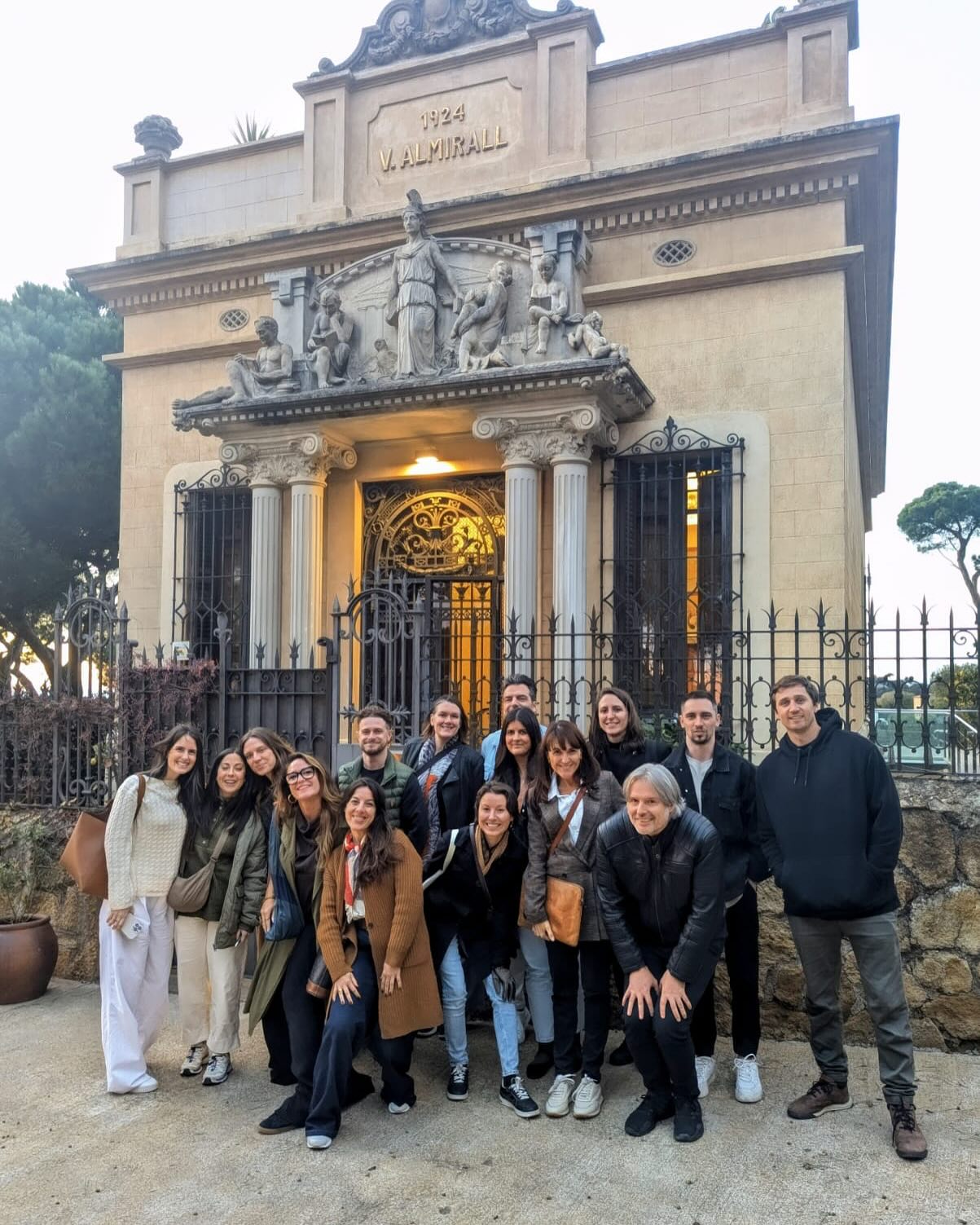
And then there are the people. I was building this from scratch in Spain, without a network and without a track record, so I had to really put myself out there. A lot of time was, and still is, spent meeting people, having conversations and searching for the right kind of talent. People who are passionate, resourceful and up for pushing things forward.
Chelsea Co. has always been built on people. Getting that right has probably been the hardest part, but also the part I’m most proud of.
Five years feels like a proper milestone. I’m proud of what we’ve built: a team that genuinely cares about doing good work and not playing it safe. But it doesn’t feel like a finish line. If anything, it’s confirmation we’re on the right track.
We’re not here to **** spiders, as we say in Australia! We’re here to move things forward.
1. What does turning five mean to you?
It feels great! Five years is long enough to know you’ve actually built something real, but still early enough that you’re a bit restless about what’s next.
When I started Chelsea Co., I could see a clear gap: digital-first creative marketing just wasn’t where it needed to be in wine and spirits. The products, the stories, the heritage. All incredible. But the way they were being marketed felt, to me, really behind. It wasn’t tapping into the same pace, cultural relevance or creative energy you see in music or lifestyle brands, which is where I’d come from. And I remember thinking, there are so many parallels here. Why aren’t we using them?
What stands out most from the first couple of years is the rush of working it all out. I’d never built an agency before, so I was setting up the foundations of a business while building creative strategies for clients at the same time. It was a lot, but I loved that pressure. Moving fast, figuring things out as you go. That’s always been a big part of how I work. We’re a dynamic agency because of that.
And then there are the people. I was building this from scratch in Spain, without a network and without a track record, so I had to really put myself out there. A lot of time was, and still is, spent meeting people, having conversations and searching for the right kind of talent. People who are passionate, resourceful and up for pushing things forward.
Chelsea Co. has always been built on people. Getting that right has probably been the hardest part, but also the part I’m most proud of.
Five years feels like a proper milestone. I’m proud of what we’ve built: a team that genuinely cares about doing good work and not playing it safe. But it doesn’t feel like a finish line. If anything, it’s confirmation we’re on the right track.
We’re not here to **** spiders, as we say in Australia! We’re here to move things forward.
1. What does turning five mean to you?
It feels great! Five years is long enough to know you’ve actually built something real, but still early enough that you’re a bit restless about what’s next.
When I started Chelsea Co., I could see a clear gap: digital-first creative marketing just wasn’t where it needed to be in wine and spirits. The products, the stories, the heritage. All incredible. But the way they were being marketed felt, to me, really behind. It wasn’t tapping into the same pace, cultural relevance or creative energy you see in music or lifestyle brands, which is where I’d come from. And I remember thinking, there are so many parallels here. Why aren’t we using them?
What stands out most from the first couple of years is the rush of working it all out. I’d never built an agency before, so I was setting up the foundations of a business while building creative strategies for clients at the same time. It was a lot, but I loved that pressure. Moving fast, figuring things out as you go. That’s always been a big part of how I work. We’re a dynamic agency because of that.
And then there are the people. I was building this from scratch in Spain, without a network and without a track record, so I had to really put myself out there. A lot of time was, and still is, spent meeting people, having conversations and searching for the right kind of talent. People who are passionate, resourceful and up for pushing things forward.
Chelsea Co. has always been built on people. Getting that right has probably been the hardest part, but also the part I’m most proud of.
Five years feels like a proper milestone. I’m proud of what we’ve built: a team that genuinely cares about doing good work and not playing it safe. But it doesn’t feel like a finish line. If anything, it’s confirmation we’re on the right track.
We’re not here to **** spiders, as we say in Australia! We’re here to move things forward.
2. Your career has taken some wild turns, from music and TV to Sherry and spirits. What connects it all?
It probably looks like a few wild pivots from the outside, but the thread has always been the same.
I’ve never been that interested in doing things the way they’ve always been done. I like challenging the status quo, pushing back a bit, and not really taking no for an answer if I think there’s a better way through it. But underpinning all of that is something quite simple: it always starts with the audience. Who are they? Where are they actually discovering and engaging with brands? It sounds obvious, but you’d be surprised how often that gets skipped.
Those fundamentals have stayed the same from day one. Whether I was working with a global pop artist like Britney Spears in the early 2000s, or trying to break an artist no one had ever heard of, the thinking was always the same.
I got a crash course in high-pressure, unpredictable situations when I was assigned to look after Britney in Sydney for two weeks after she was stuck there post-9/11. That kind of experience teaches you very quickly to read the room, understand the audience and make the moment count.
What does the audience care about? How do we show up in a way that actually connects? And how do we make it count for the brand? That mindset has carried through into everything I do now, whether it’s content, brand, trade or digital strategy. It all starts with the consumer.
2. Your career has taken some wild turns, from music and TV to Sherry and spirits. What connects it all?
It probably looks like a few wild pivots from the outside, but the thread has always been the same.
I’ve never been that interested in doing things the way they’ve always been done. I like challenging the status quo, pushing back a bit, and not really taking no for an answer if I think there’s a better way through it. But underpinning all of that is something quite simple: it always starts with the audience. Who are they? Where are they actually discovering and engaging with brands? It sounds obvious, but you’d be surprised how often that gets skipped.
Those fundamentals have stayed the same from day one. Whether I was working with a global pop artist like Britney Spears in the early 2000s, or trying to break an artist no one had ever heard of, the thinking was always the same.
I got a crash course in high-pressure, unpredictable situations when I was assigned to look after Britney in Sydney for two weeks after she was stuck there post-9/11. That kind of experience teaches you very quickly to read the room, understand the audience and make the moment count.
What does the audience care about? How do we show up in a way that actually connects? And how do we make it count for the brand? That mindset has carried through into everything I do now, whether it’s content, brand, trade or digital strategy. It all starts with the consumer.
2. Your career has taken some wild turns, from music and TV to Sherry and spirits. What connects it all?
It probably looks like a few wild pivots from the outside, but the thread has always been the same.
I’ve never been that interested in doing things the way they’ve always been done. I like challenging the status quo, pushing back a bit, and not really taking no for an answer if I think there’s a better way through it. But underpinning all of that is something quite simple: it always starts with the audience. Who are they? Where are they actually discovering and engaging with brands? It sounds obvious, but you’d be surprised how often that gets skipped.
Those fundamentals have stayed the same from day one. Whether I was working with a global pop artist like Britney Spears in the early 2000s, or trying to break an artist no one had ever heard of, the thinking was always the same.
I got a crash course in high-pressure, unpredictable situations when I was assigned to look after Britney in Sydney for two weeks after she was stuck there post-9/11. That kind of experience teaches you very quickly to read the room, understand the audience and make the moment count.
What does the audience care about? How do we show up in a way that actually connects? And how do we make it count for the brand? That mindset has carried through into everything I do now, whether it’s content, brand, trade or digital strategy. It all starts with the consumer.
3. What drew you to challenging traditional industries?
The drinks world, especially something like Sherry, can be pretty closed. Quite hierarchical, very tradition-led, and not always the easiest space to break into. For some people, that’s a barrier. For me, that’s usually a signal there’s something worth digging into.
I’d already seen what strong digital thinking and creative risk could do in music and broadcasting. How quickly you can shift perception, build relevance and actually connect with people when you get it right. So I couldn’t help but question why the same approach wasn’t being applied in drinks.
And don’t get me wrong, tradition matters. Heritage matters. That’s the whole point in a lot of these categories. But it shouldn’t be used as an excuse to play it safe or communicate in a way that feels stuck.
For me, it’s always been about that balance: respecting what’s come before, but bringing it to life in a way that actually resonates now.
Not change for the sake of it. Just making things relevant again.
3. What drew you to challenging traditional industries?
The drinks world, especially something like Sherry, can be pretty closed. Quite hierarchical, very tradition-led, and not always the easiest space to break into. For some people, that’s a barrier. For me, that’s usually a signal there’s something worth digging into.
I’d already seen what strong digital thinking and creative risk could do in music and broadcasting. How quickly you can shift perception, build relevance and actually connect with people when you get it right. So I couldn’t help but question why the same approach wasn’t being applied in drinks.
And don’t get me wrong, tradition matters. Heritage matters. That’s the whole point in a lot of these categories. But it shouldn’t be used as an excuse to play it safe or communicate in a way that feels stuck.
For me, it’s always been about that balance: respecting what’s come before, but bringing it to life in a way that actually resonates now.
Not change for the sake of it. Just making things relevant again.
3. What drew you to challenging traditional industries?
The drinks world, especially something like Sherry, can be pretty closed. Quite hierarchical, very tradition-led, and not always the easiest space to break into. For some people, that’s a barrier. For me, that’s usually a signal there’s something worth digging into.
I’d already seen what strong digital thinking and creative risk could do in music and broadcasting. How quickly you can shift perception, build relevance and actually connect with people when you get it right. So I couldn’t help but question why the same approach wasn’t being applied in drinks.
And don’t get me wrong, tradition matters. Heritage matters. That’s the whole point in a lot of these categories. But it shouldn’t be used as an excuse to play it safe or communicate in a way that feels stuck.
For me, it’s always been about that balance: respecting what’s come before, but bringing it to life in a way that actually resonates now.
Not change for the sake of it. Just making things relevant again.
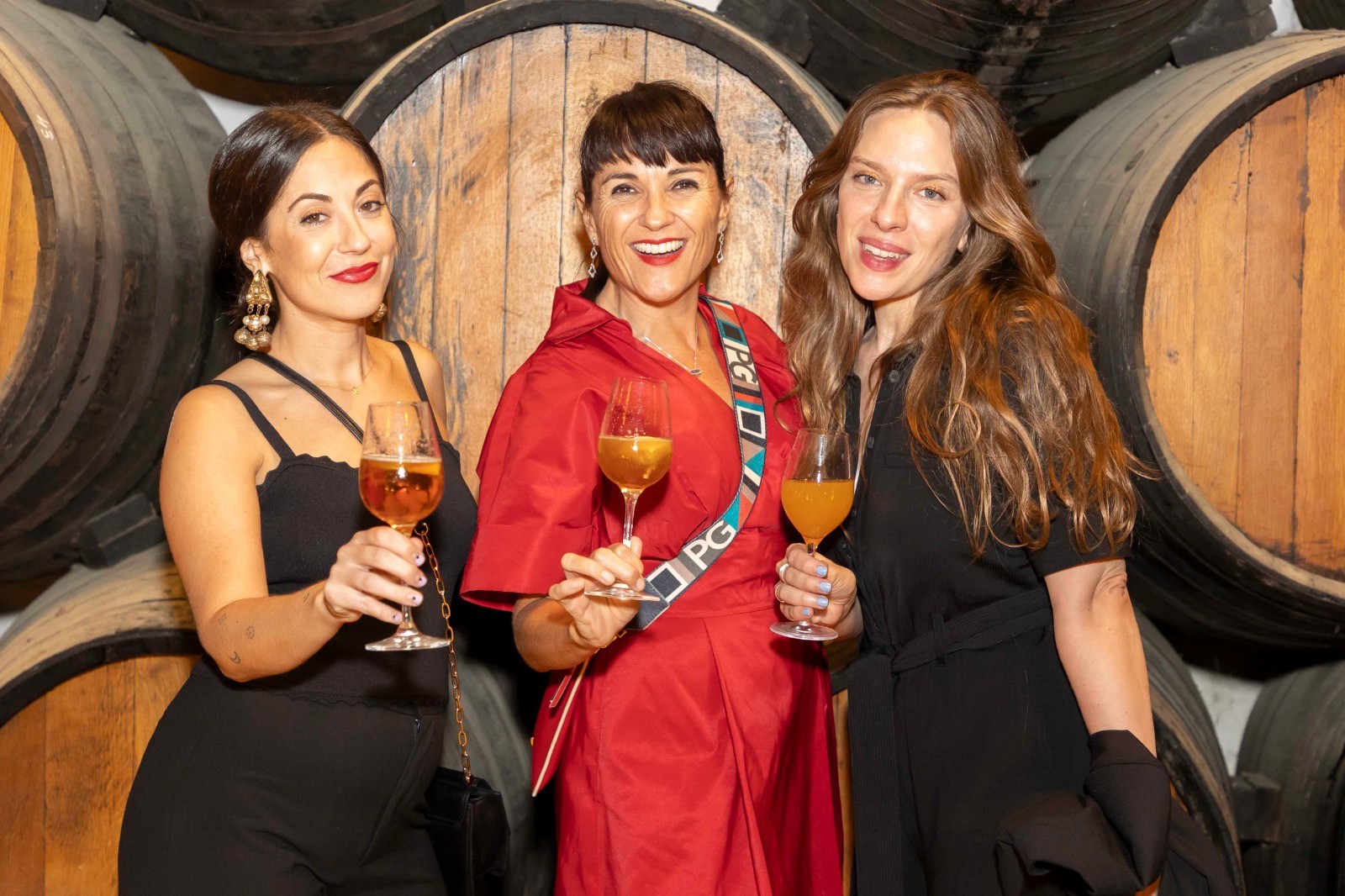
L-R, Marina, Chelsea, Andrea
L-R, Marina, Chelsea, Andrea
L-R, Marina, Chelsea, Andrea
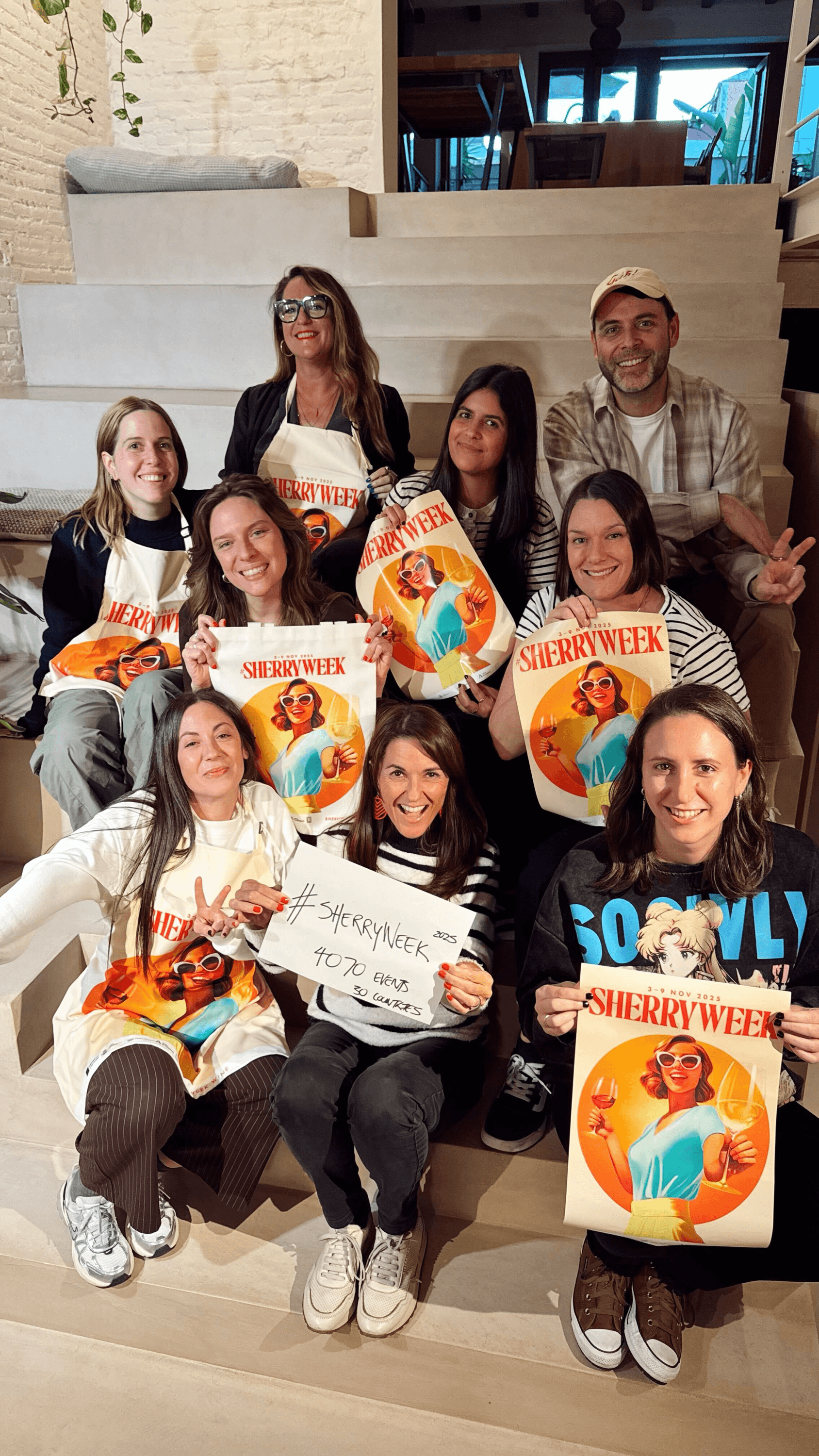
4. What did Sherry Week teach you about building something from scratch?
That vision is only the start. International Sherry Week began in 2014, and getting it off the ground was not straightforward. There were legal complications, admin hurdles and the challenge of aligning multiple stakeholders around one global idea. At times it was messy, a bit political and definitely not easy.
It taught me that building something meaningful takes more than a good idea. You need stamina. You need to keep going when things slow down or get complicated. And you need the right people.
Building a team of like-minded people who genuinely believed in the vision was essential. People who were up for rolling up their sleeves, trying things and pushing it forward together. That’s ultimately what’s made Sherry Week work, and why, 12 years on, it’s still growing and still something I personally get fired up about every year.
Yes, strategy matters. Yes, content matters. But building belief, internally and externally, is just as important. And not having a big budget isn’t the end of the world. If anything, it forces you to get smarter, be more resourceful and focus on what actually moves the needle.
4. What did Sherry Week teach you about building something from scratch?
That vision is only the start. International Sherry Week began in 2014, and getting it off the ground was not straightforward. There were legal complications, admin hurdles and the challenge of aligning multiple stakeholders around one global idea. At times it was messy, a bit political and definitely not easy.
It taught me that building something meaningful takes more than a good idea. You need stamina. You need to keep going when things slow down or get complicated. And you need the right people.
Building a team of like-minded people who genuinely believed in the vision was essential. People who were up for rolling up their sleeves, trying things and pushing it forward together. That’s ultimately what’s made Sherry Week work, and why, 12 years on, it’s still growing and still something I personally get fired up about every year.
Yes, strategy matters. Yes, content matters. But building belief, internally and externally, is just as important. And not having a big budget isn’t the end of the world. If anything, it forces you to get smarter, be more resourceful and focus on what actually moves the needle.
4. What did Sherry Week teach you about building something from scratch?
That vision is only the start. International Sherry Week began in 2014, and getting it off the ground was not straightforward. There were legal complications, admin hurdles and the challenge of aligning multiple stakeholders around one global idea. At times it was messy, a bit political and definitely not easy.
It taught me that building something meaningful takes more than a good idea. You need stamina. You need to keep going when things slow down or get complicated. And you need the right people.
Building a team of like-minded people who genuinely believed in the vision was essential. People who were up for rolling up their sleeves, trying things and pushing it forward together. That’s ultimately what’s made Sherry Week work, and why, 12 years on, it’s still growing and still something I personally get fired up about every year.
Yes, strategy matters. Yes, content matters. But building belief, internally and externally, is just as important. And not having a big budget isn’t the end of the world. If anything, it forces you to get smarter, be more resourceful and focus on what actually moves the needle.
5. So what’s next?
I tend to think in three-year cycles, it stops complacency creeping in.
About three years into building Chelsea Co., I could already see another gap, which led us to invest in Alkemi Hub. It’s a SaaS platform designed to help drinks brands operate more efficiently from a marketing and sales perspective. It’s a natural extension of how we think. That’s part of why we’re building Alkemi Hub: to give sales and marketing teams the tools to actually use what’s being created, move faster and cut through the noise. AI plays a big role in that too, removing some of the repetitive work so teams can focus on what matters.
5. So what’s next?
I tend to think in three-year cycles, it stops complacency creeping in.
About three years into building Chelsea Co., I could already see another gap, which led us to invest in Alkemi Hub. It’s a SaaS platform designed to help drinks brands operate more efficiently from a marketing and sales perspective. It’s a natural extension of how we think. That’s part of why we’re building Alkemi Hub: to give sales and marketing teams the tools to actually use what’s being created, move faster and cut through the noise. AI plays a big role in that too, removing some of the repetitive work so teams can focus on what matters.
5. So what’s next?
I tend to think in three-year cycles, it stops complacency creeping in.
About three years into building Chelsea Co., I could already see another gap, which led us to invest in Alkemi Hub. It’s a SaaS platform designed to help drinks brands operate more efficiently from a marketing and sales perspective. It’s a natural extension of how we think. That’s part of why we’re building Alkemi Hub: to give sales and marketing teams the tools to actually use what’s being created, move faster and cut through the noise. AI plays a big role in that too, removing some of the repetitive work so teams can focus on what matters.
That’s where we’re different as an agency. We’re not just a creative studio. We sit across strategy, content, digital transformation and now software. It’s a full ecosystem approach, because that’s what brands need if they want to grow properly.
We’re also boutique by design. We keep it tight, around 10 clients at a time, because I want to be properly involved in every project. That matters to me. It means we go deeper, we care more and we don’t just deliver surface-level work.
At the core of everything is digital. It’s not an add-on anymore, it’s the foundation. And honestly, if brands aren’t properly factoring that into how they build, market and grow, I think they’ll struggle over the next 10 to 20 years. The landscape is moving too fast.
What we do at Chelsea Co. is challenge that. We ask “why not?” a lot. Why not try something different? Why not push it further? The passion is still huge. The buzz the team and I get when something we’ve created actually comes to life, that doesn’t get old.
So what’s next? More of that. Pushing further, building smarter and continuing to prove that traditional categories don’t need traditional marketing. Five years is something I’m really proud of. But if anything, it just feels like the point where we raise the bar again.
That’s where we’re different as an agency. We’re not just a creative studio. We sit across strategy, content, digital transformation and now software. It’s a full ecosystem approach, because that’s what brands need if they want to grow properly.
We’re also boutique by design. We keep it tight, around 10 clients at a time, because I want to be properly involved in every project. That matters to me. It means we go deeper, we care more and we don’t just deliver surface-level work.
At the core of everything is digital. It’s not an add-on anymore, it’s the foundation. And honestly, if brands aren’t properly factoring that into how they build, market and grow, I think they’ll struggle over the next 10 to 20 years. The landscape is moving too fast.
What we do at Chelsea Co. is challenge that. We ask “why not?” a lot. Why not try something different? Why not push it further? The passion is still huge. The buzz the team and I get when something we’ve created actually comes to life, that doesn’t get old.
So what’s next? More of that. Pushing further, building smarter and continuing to prove that traditional categories don’t need traditional marketing. Five years is something I’m really proud of. But if anything, it just feels like the point where we raise the bar again.
That’s where we’re different as an agency. We’re not just a creative studio. We sit across strategy, content, digital transformation and now software. It’s a full ecosystem approach, because that’s what brands need if they want to grow properly.
We’re also boutique by design. We keep it tight, around 10 clients at a time, because I want to be properly involved in every project. That matters to me. It means we go deeper, we care more and we don’t just deliver surface-level work.
At the core of everything is digital. It’s not an add-on anymore, it’s the foundation. And honestly, if brands aren’t properly factoring that into how they build, market and grow, I think they’ll struggle over the next 10 to 20 years. The landscape is moving too fast.
What we do at Chelsea Co. is challenge that. We ask “why not?” a lot. Why not try something different? Why not push it further? The passion is still huge. The buzz the team and I get when something we’ve created actually comes to life, that doesn’t get old.
So what’s next? More of that. Pushing further, building smarter and continuing to prove that traditional categories don’t need traditional marketing. Five years is something I’m really proud of. But if anything, it just feels like the point where we raise the bar again.
Share this article



Related news

Sep 17, 2026
Why chasing digital trends is the wrong strategy
Sep 17, 2026
Why chasing digital trends is the wrong strategy

Jul 10, 2026
Why the smartest drinks brands are preparing for AI now
Jul 10, 2026
Why the smartest drinks brands are preparing for AI now

May 25, 2026
The Chelsea Club: a riff on a classic that’s sharp and spicy
May 25, 2026
The Chelsea Club: a riff on a classic that’s sharp and spicy